Read Me
Values and Intent
You must be here to learn about machine learning, since you are on our site. Unless, that is, you are already a machine and you stumbled upon our site in search of imitation. In either scenario, it is our intention to illuminate the costs & benefits of algortihm-based thinking.
A study of 46 countries and 800 occupations by the McKinsey Global Institute found "up to 800 million global workers will lose their jobs by 2030 and be replaced by robotic automation". With this in consideration, how can we help prepare others for the future? After all, human beings are unique in that we derive our accomplishments from those who provided us with knowledge & skills (Laland, 34). Evolutionary biologist, Kevin Laland further expresses the value of culture in our survival:
“This communal store of experience enables creation of ever more efficient and diverse solutions to life’s challenges. It was not our large brains, intelligence or language that gave us culture but rather our culture that gave us large brains, intelligence and language…the term ‘culture’ implies fashion or haute cuisine, but boiled down to its scientific essence, culture comprises behavior patterns shared by members of a community that rely on socially transmitted information” (34).
We live in a time where communication is faster and more populated than ever before thanks to social platforms and the commercialization of the internet. Therefore, it is our responsibility to share our knowledge with others as means for future sustainability. Executive Chairman & Co-Founder of Alibaba, Jack Ma, shares this notion at the World Economic Forum in Davos, Switzerland: "We cannot teach our kids to compete with machines. Teachers must stop teaching knowledge. We have to teach something unique, so a machine can never catch up with us."
In terms of problem-solving, Ma adds:
"Education is a big challenge now. If we don’t change the way we teach, we will be in big trouble in 30 years from now… the way we teach, the things we teach our kids, are the things from the past 200 years – its knowledge based. We need to be teaching our children values, believing, independent thinking, teamwork, care for others...these are the soft parts. The knowledge will not teach you that... we should teach our kids sports, music, painting, art. Everything we teach should be different from machines".
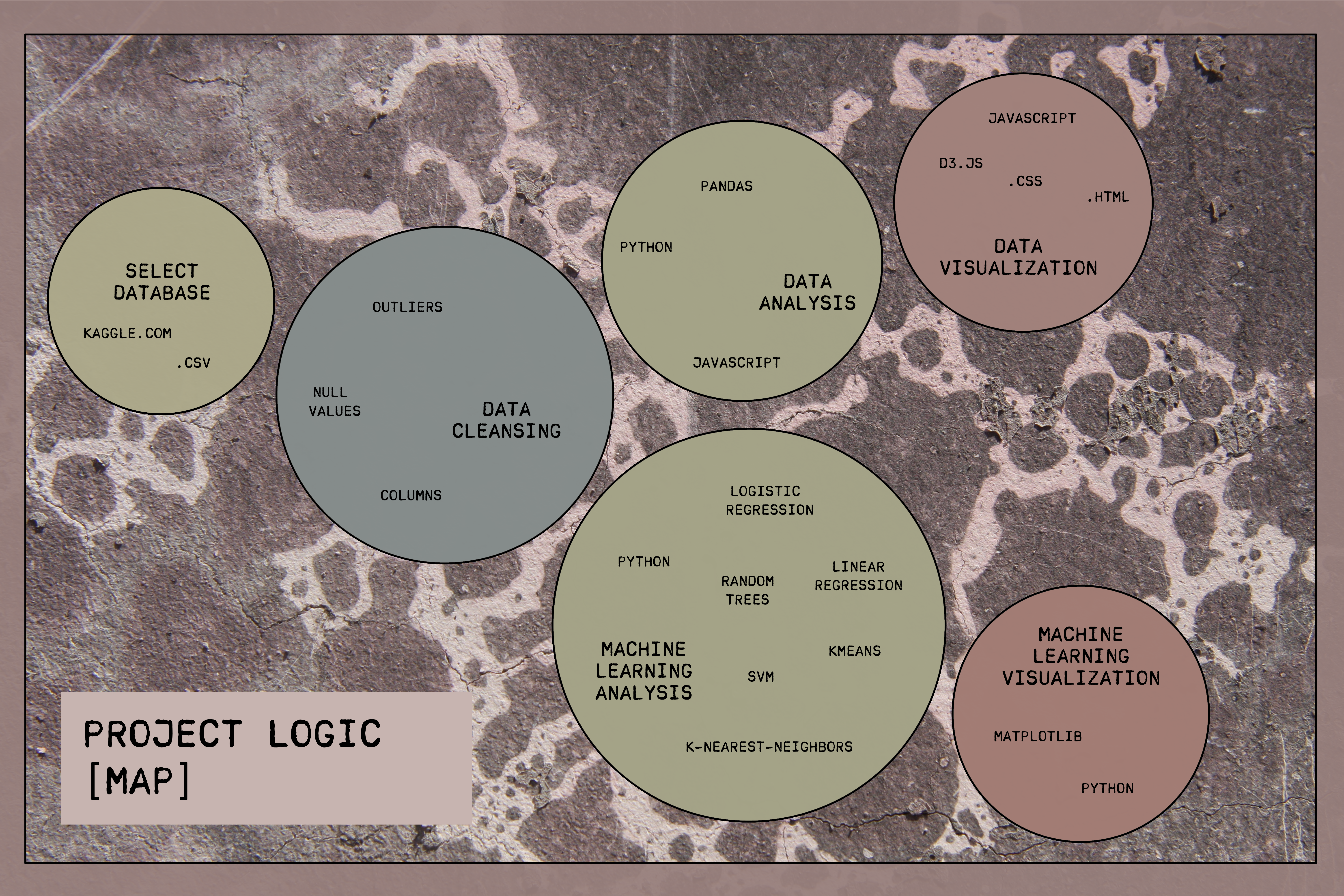
With this in mind, let us walk you through:
- the selection of our database,
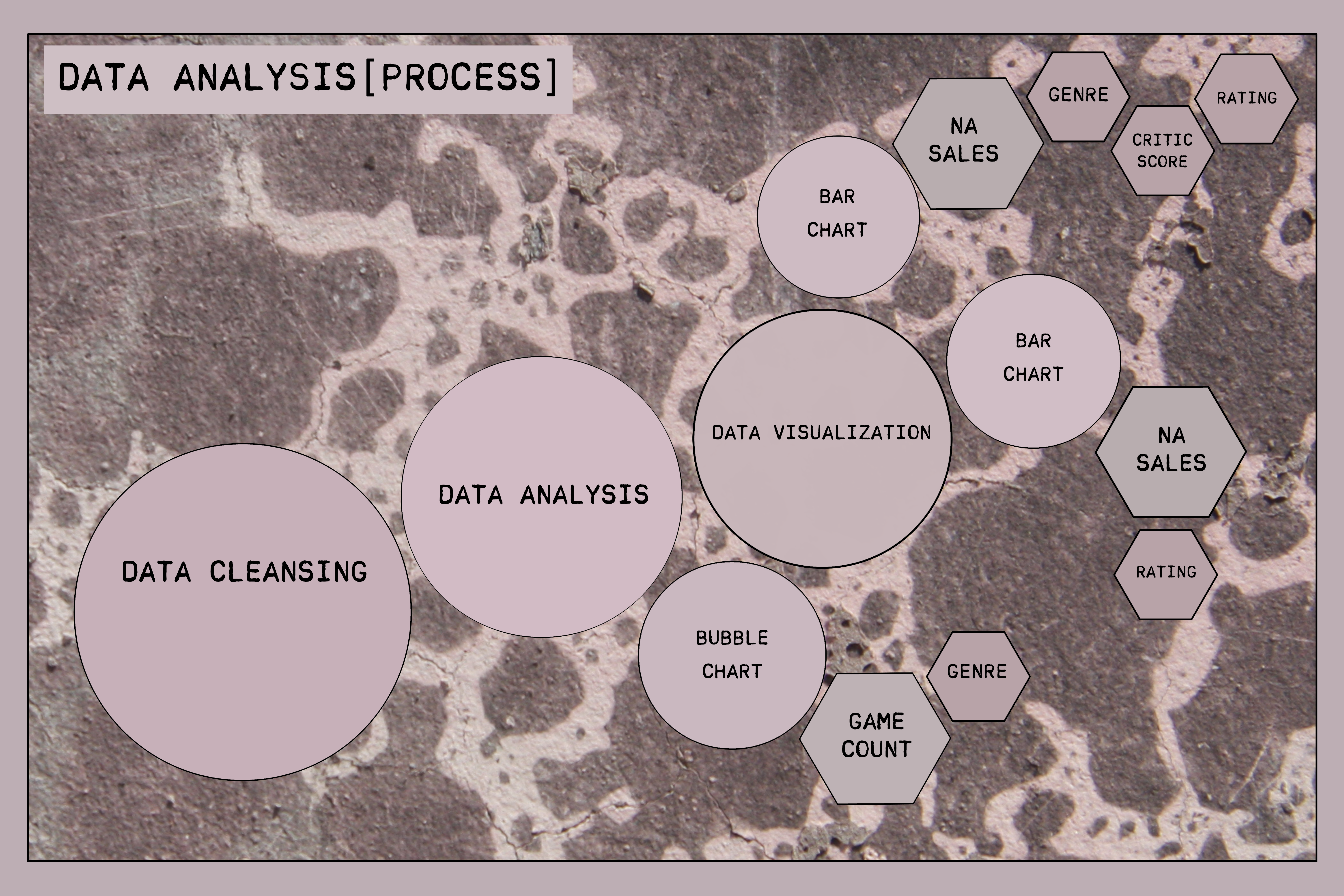
- patterns that were illuminated through data analysis,
- significant variables in our data,
- the challenges we faced,
- the knowledge gained from learning.
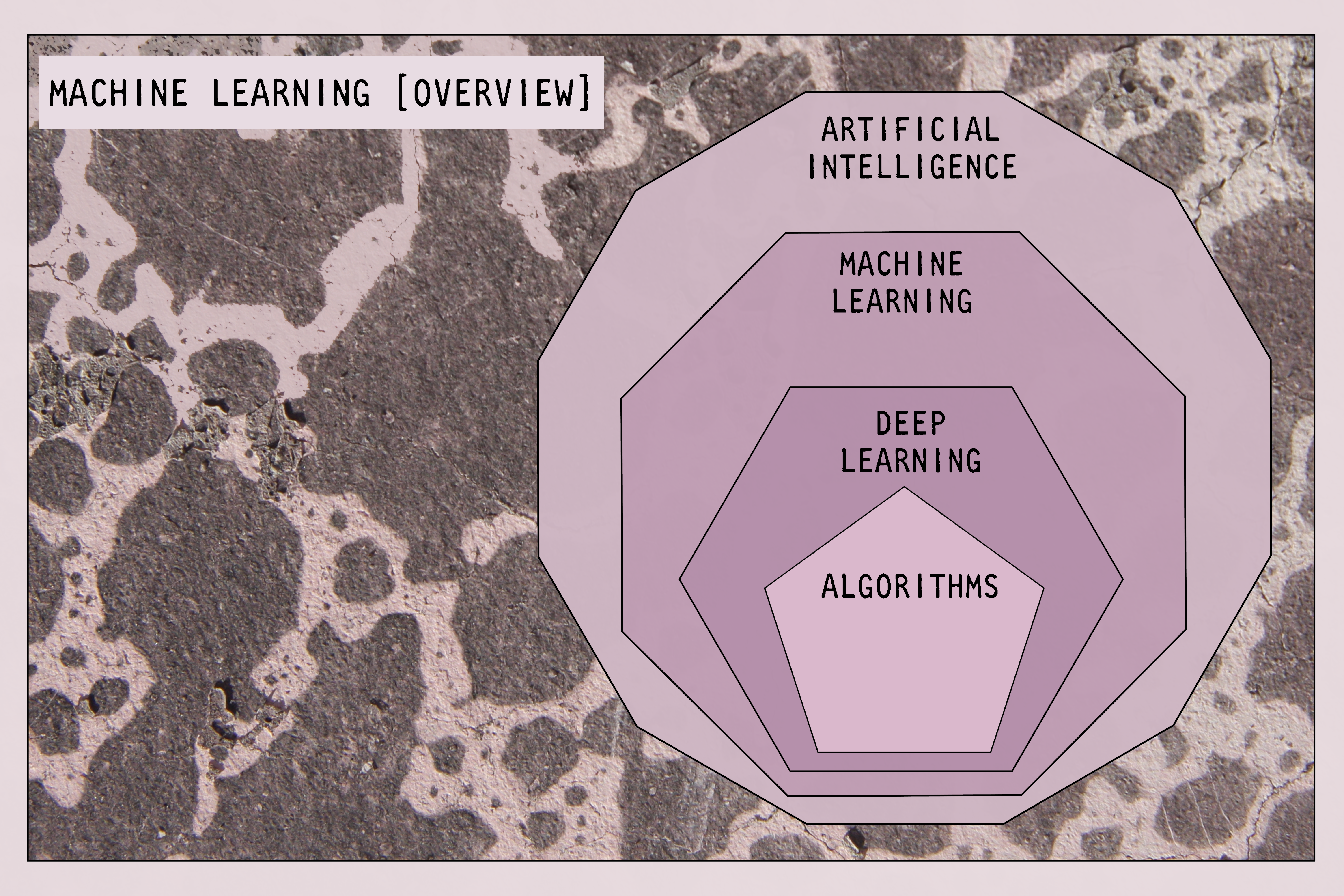
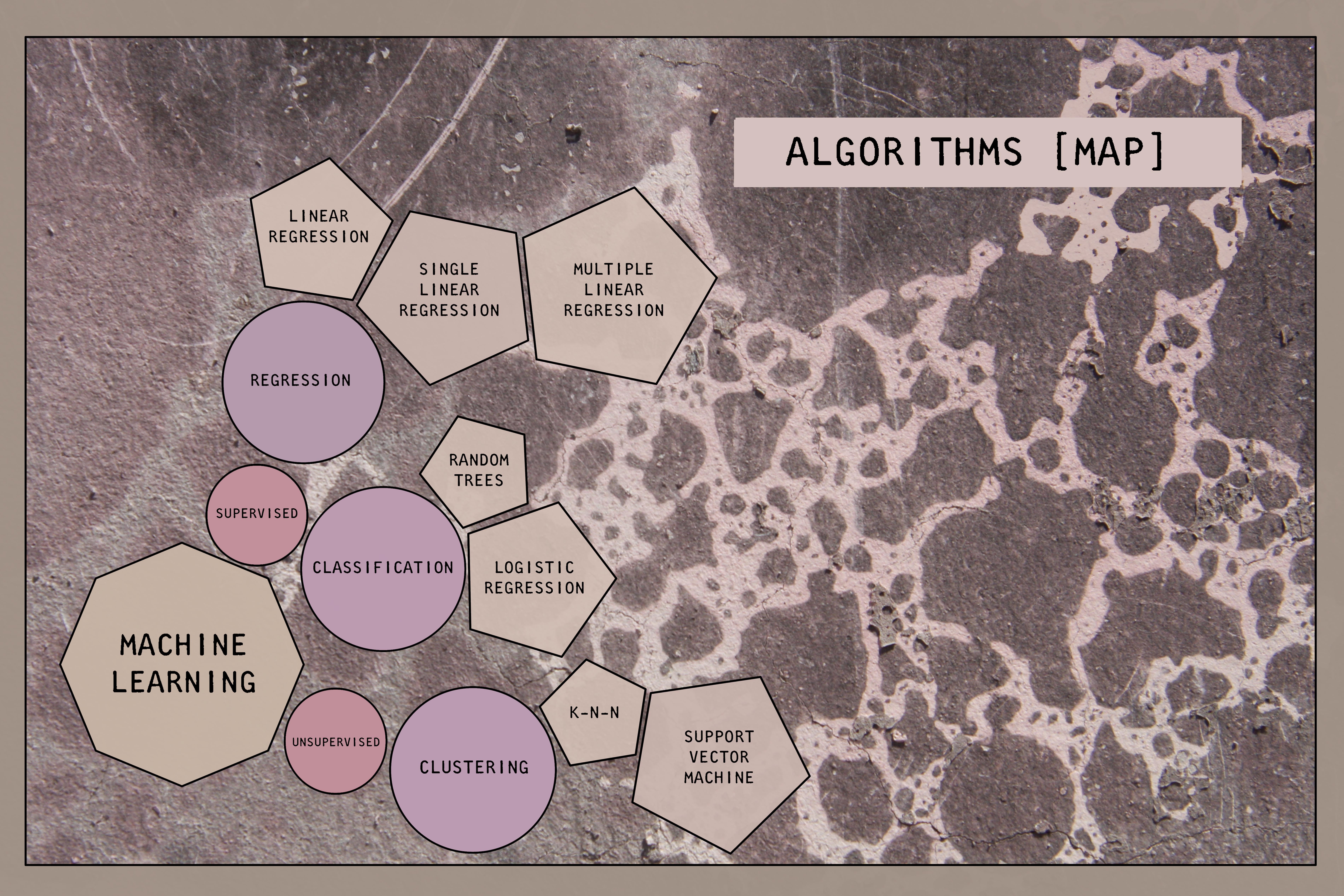
We understand there are complexities & intricacies weaved within machine learning algorithms that can blur the overall message. Rather than disect every mathematical principle in an alorgithm's structure, we will visualize them in meaningful ways so that you will have gained a new perspective. Insight that can be shared with others and that can inspire societal progress and business growth.